Lexington Horse-Farm Tours: Plan Before the Gate
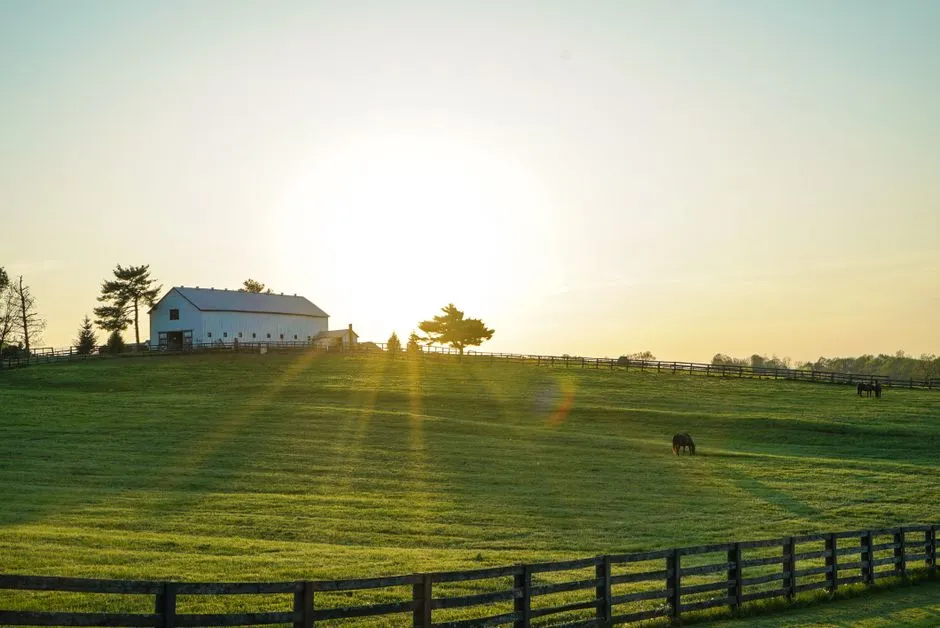
- The fence is scenery; the reservation is entry
- Choose the kind of horse day you actually want
- Reserve before arranging the rest of the day
- Plan transport as part of the ticket
- Dress for a working property
- Let the guide control animal contact
- Respect the business behind the beauty
- Build a humane half-day
- Weather changes more than comfort
- Good visitor behaviour in one list
The fence is scenery; the reservation is entry
Lexington's horse country contains private working farms, public equine attractions, racetracks, veterinary operations, and tour providers. They are not one open-air museum. A farm that welcomes visitors still controls when, where, and how they enter.
VisitLEX's horse-farm directory says participating farms require prior arrangements through appropriate channels. Book directly with a farm, through Visit Horse Country, or with a listed tour provider. Never follow a van through a gate, approach a roadside fence, or treat a picturesque drive as permission to wander.
This independent guide does not operate farms, tours, transport, or ticketing. Verify all schedules, prices, policies, and access directly.
Choose the kind of horse day you actually want
A reserved working-farm tour
Choose this for a focused look at breeding, training, retirement, or another part of the industry. The experience varies with the operation, season, and animals present. Read the official description and ask what the tour usually covers, but do not expect a particular champion, foal, or barn activity. Horses have schedules and absolutely no concern for your holiday carousel.
A guided multi-stop van tour
This is practical without a car and useful for visitors who want narration and scenery. Confirm whether the provider includes farm admission, where pickup occurs, group size, duration, toilet stops, and return time. A “horse country” drive-by and a booked behind-the-scenes farm visit are different products.
Kentucky Horse Park
The park is a public equine attraction north of Lexington with museums, demonstrations, events, and changing programmes. It is easier to visit independently than a private farm, but current admission, hours, and show schedules still require checking. A park day offers breadth; a farm tour may offer a narrower working context.
Keeneland
Keeneland is a racecourse and National Historic Landmark with race meets, sales, tours, and morning activity on different calendars. Use its official site for public access, tickets, parking, dress, food, and photography. A race day, sale day, and quiet morning are not interchangeable.
Reserve before arranging the rest of the day
Farm capacity is limited and operations can change for breeding, veterinary, sale, weather, or security needs. Book the horse anchor first, then plan lodging, meals, and other activities around the confirmed meeting point.
Ask:
- Is the reservation confirmed, and where exactly do we meet?
- Does the time shown use local time?
- How early should we arrive?
- Is transport included, and where is pickup?
- How much walking and standing are typical?
- Are surfaces paved, gravel, grass, or barn flooring?
- Are there steps, seating, accessible toilets, or a vehicle option?
- What are the age, supervision, and stroller rules?
- What happens in rain, heat, snow, or farm emergencies?
- May visitors touch, feed, or photograph animals?
Get essential access information in writing where possible. “Wheelchair friendly” can conceal different realities; describe the device and needs and ask about each stage.
Plan transport as part of the ticket
Country roads can be narrow, curving, and bordered by fences with little shoulder. Drive attentively, obey speed limits, and do not stop for photographs where it is unsafe or prohibited. Use a passenger to navigate or pull into a legal public area.
Without a car, book a tour provider that confirms pickup and return. VisitLEX notes van tours as a practical option. A taxi or rideshare may work when prearranged, but rural on-demand availability is not guaranteed. Do not wait until a private tour ends to discover that the nearest available driver is conducting a separate life elsewhere.
If combining horse country with bourbon, use a sober chauffeur or organised transport for the entire route. Our Lexington bourbon plan without driving explains why separate hopeful rides are not a safety system.
Choose a lodging area after plotting confirmed stops. The Lexington area comparison can reduce backtracking but does not book rooms.
Dress for a working property
Follow the host's instructions. Closed-toe shoes with stable tread are a sensible default. Wear layers suitable for barns, wind, sun, and outdoor standing; bring rain protection when allowed. Avoid trailing scarves, loose jewellery, and open bags around animals or equipment.
Use sunscreen and water appropriately, but ask where food and drink are permitted. Farms may have biosecurity rules about footwear, handwashing, and contact. Do not bring treats, apples, or carrots. Feeding a horse is not automatically kind; it can violate diet, training, safety, and veterinary plans.
Tell the provider about allergies, fear of animals, or other needs before arrival. Farms contain hay, dust, insects, and large animals. Appropriate medication and medical advice are personal matters; the tour cannot improvise them at the gate.
Let the guide control animal contact
Stay with the group and listen before approaching. Horses have blind areas, startle responses, individual temperaments, and powerful feet. Walk rather than run, keep voices and movements calm, and never go behind an animal without direction.
Touch only when invited. Approach from the position the handler specifies, keep fingers away from the mouth, and stop if the horse moves away. Children require close adult supervision even when a horse appears quiet.
Do not reach through or climb fences. Do not open latches. Do not enter stalls, paddocks, or staff areas. A farm's safety rule is not made less binding by a promising selfie angle.
Service animals create special considerations around livestock. Contact the venue before booking and discuss the specific route and accommodation. Never conceal an animal or arrive expecting an instant solution beside horses.
Respect the business behind the beauty
Working farms balance visitors with animal care, staff work, breeding, training, sales, and veterinary needs. Activities can change without notice for welfare or safety. A substituted barn or absent horse is not necessarily poor service; it may be responsible management.
Ask informed questions. Learn what type of operation you are seeing, how horses move through life stages, and what staff roles make it function. Avoid treating every horse as a celebrity commodity. Aftercare, veterinary work, farriery, feed, and daily handling are part of the industry too.
Follow photography rules, especially around staff, clients, records, veterinary areas, and sale operations. Turn off flash when instructed. Ask before posting names or locations that were not presented publicly.
Build a humane half-day
A sensible half-day includes travel buffer, one main farm or park experience, and a meal or scenic stop in a public place. Do not book rural stops back-to-back at map-minimum drive times. Gates, check-in, roadworks, weather, and actual humans all consume minutes.
For a full day, combine complementary experiences: perhaps a morning farm tour and an afternoon at a public equine museum, or Keeneland on an officially open morning followed by a reserved farm. Verify every component. Avoid trying to cross the region repeatedly merely to collect farm names.
Return downtown for an easy evening using the one-day downtown guide as a source of flexible food, art, and walking ideas.
Weather changes more than comfort
Heat, lightning, ice, heavy rain, and high wind can alter programmes and roads. Read the provider's cancellation policy and monitor official alerts. Do not pressure a farm to continue when staff change plans for animals or visitors.
In summer, bring water and sun protection; in cold weather, bring layers and keep hands functional around rails and steps. Wet grass and mud change traction. If mobility or health makes conditions unsuitable, use the cancellation or rescheduling process rather than forcing the tour.
Good visitor behaviour in one list
Reserve. Arrive at the stated place and time. Park only where directed. Wear suitable shoes. Stay with the guide. Touch and feed only with permission. Supervise children. Follow biosecurity and photography rules. Accept programme changes made for animal welfare or safety. Tip only where customary and permitted; a sincere thank-you works everywhere.
Lexington horse country is memorable because it is real working country, not because every gate opens. Advance planning gives the host room to welcome you properly—and gives the horses the excellent option of continuing to be horses.